
Feed-in tariffs, time-of-use FiTs, VPPs and Amber compared
Four ways to get paid for the power you send to the grid. Here's how each works in NSW, with IPART's 2026-27 benchmarks.
 Top Power Electrical team · 6 min read
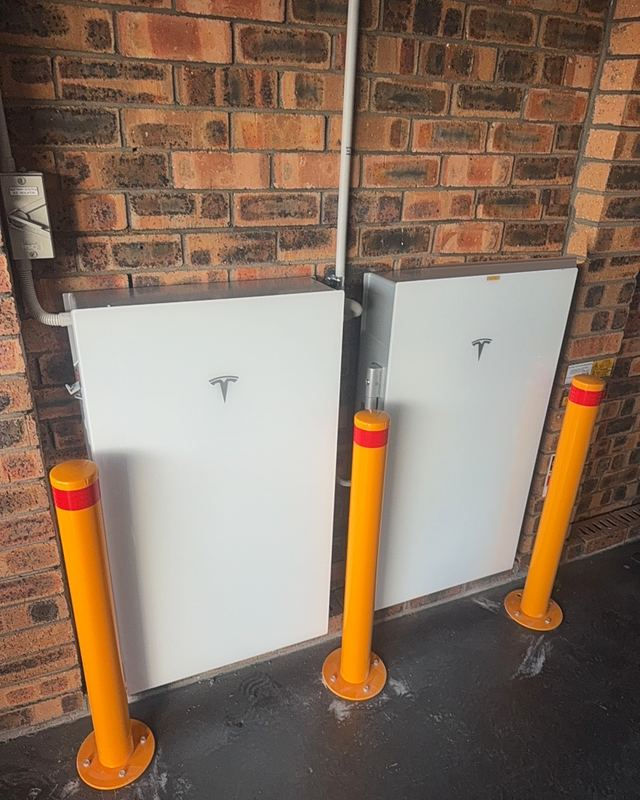
Once you've got solar, and especially a battery, how you're paid for exports matters. There's no single best plan. It depends on your usage, your system and how hands-on you want to be. Here's a neutral look at the four main options.
1. Flat feed-in tariff
The most common type: one rate for every kWh you export, whatever the time. In NSW, retailers set their own feed-in tariffs (or none at all). IPART's 2026-27 benchmark for a fair flat rate is 3.4 to 6.5 c/kWh, down from 4.8 to 7.3 c/kWh in 2025-26. Some retailers pay more, but often with higher usage prices or conditions.
Suits: solar-only homes that want something simple.
2. Time-of-use feed-in tariff
You're paid more for exports in the late afternoon and evening, when the grid needs it most, and less at midday. IPART's 2026-27 time-of-day benchmarks show the gap:
| Network | Midday | Evening peak |
|---|---|---|
| Endeavour Energy | 3.1 to 3.2 c/kWh (10am to 2pm) | 16.9 to 19.9 c/kWh (4pm to 8pm) |
| Essential Energy | 3.3 to 4.4 c/kWh (10am to 3pm) | 26.6 to 33.3 c/kWh (5pm to 8pm) |
| Ausgrid | 3.9 to 4 c/kWh (10am to 3pm) | 17.2 to 18.7 c/kWh (4pm to 9pm) |
To take advantage of the evening rate you need a battery that can export at peak time. Without one, most exports happen at midday at the low rate. Retailers don't have to follow these benchmarks, and only some offer time-varying feed-in tariffs.
Suits: battery owners happy to set the battery to export in the evening.
3. Virtual power plant (VPP)
Your retailer or VPP provider can draw on your battery at busy times, usually for credits, a higher feed-in rate or a sign-up bonus. In NSW you may also get the one-off VPP incentive (BESS2). The trade-off is giving up some control over your battery.
Suits: battery owners who don't mind sharing control for extra income.
4. Wholesale pass-through (Amber)
Amber passes on the real-time wholesale electricity price, which updates every 30 minutes, plus network and regulatory costs, for a flat monthly subscription ($25 a month per meter as at October 2026). Prices can be very cheap or even negative in the middle of the day, and very high during price spikes. Amber's SmartShift feature can automate a compatible battery, charging when prices are low and exporting when they're high.
Suits: people with a battery who are comfortable with prices that move around. Without automation or a battery, price spikes can hurt.
See what you could get back
Our rebate calculator estimates your federal battery and solar STCs in under a minute. Then our own electricians can quote the system that suits your home.
How to compare
- Look at the whole plan: usage rates, daily supply charge and the feed-in tariff together. A big feed-in rate can hide higher usage prices.
- Use your actual export and usage data. Your retailer or battery app can show how much you export and when.
- Compare plans on the government's Energy Made Easy site.
- Check exit fees and how long rates are locked in.
More on choosing a plan in our electricity plan guide.
Frequently asked questions
What's a good feed-in tariff in NSW right now?
IPART's 2026-27 benchmark for a flat rate is 3.4 to 6.5 c/kWh. Anything around or above that is reasonable, but always check the usage rates on the same plan.
Is a time-of-use feed-in tariff worth it without a battery?
Usually less so. Without a battery most of your exports happen at midday, when time-of-use rates are lowest.
Is Amber risky?
Wholesale prices can spike, so your costs vary more than on a fixed plan. A battery with automation such as SmartShift helps manage that.
Can I be on a VPP and Amber at the same time?
Amber's SmartShift works a bit like a VPP for your own battery. Whether other VPP programs are compatible depends on the provider, so check with them.
Sources
- Solar feed-in tariffs (IPART)
- Time-of-day solar feed-in tariff benchmarks 2026-27 (IPART)
- Energy Made Easy: compare plans (Australian Government)
- How do Amber's wholesale prices work? (Amber)
- How does SmartShift work? (Amber)
- Virtual power plant (VPP) incentive (NSW Climate and Energy Action)
Checked against official and provider pages on 29 October 2026. Government programs, rates and incentives change, so always check the official pages for the latest details. This is general information, not financial advice.