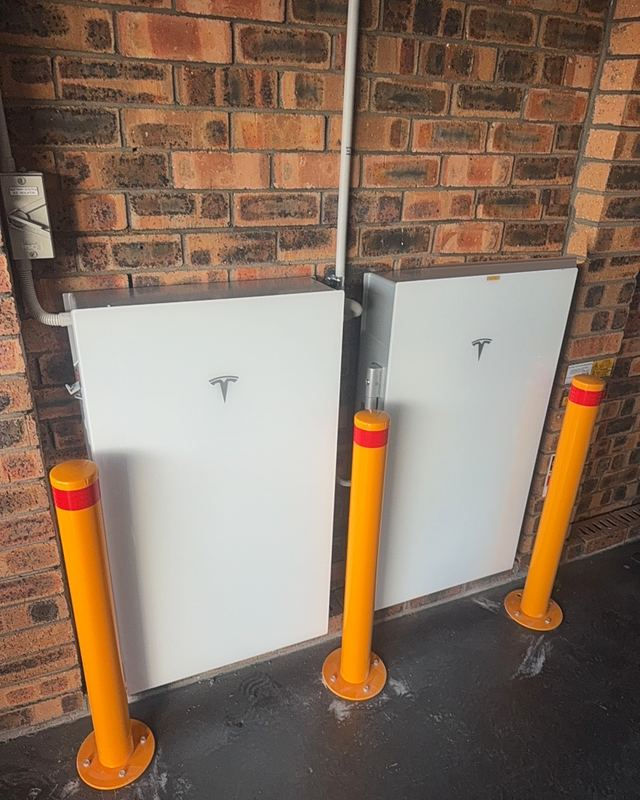
Will my battery work in a blackout?
Many people assume a battery means no more blackouts. It can, but only if backup is designed in. Here's how it works.
Keeping the lights on during a blackout is one of the most common reasons people want a battery. But a battery doesn't automatically provide backup. Whether yours does depends on the equipment and how it's wired.
Why solar alone switches off
A grid-connected solar inverter must stop exporting when the grid goes down. This "anti-islanding" protection stops your system sending power into the lines while workers may be repairing them. So without a backup setup, your solar panels go quiet during a blackout even on a sunny day.
How battery backup works
A backup-capable system includes a way to disconnect your home from the grid automatically when the power goes out, and then run your home (or part of it) from the battery. In this "island" mode, many systems can also keep using solar to run your home and recharge the battery during the day.
Depending on the equipment, this is done by the battery or hybrid inverter itself, or with an extra backup gateway or switch installed near your switchboard. Some systems switch over almost instantly. Others take a few seconds, enough for clocks and some electronics to reset.
Want advice for your home?
Our own electricians will look at your setup and give you a straight answer. No pressure, no subcontractors.
Whole home or essential circuits?
There are two common approaches:
- Whole-home backup. Your entire switchboard runs from the battery during an outage. It's the most seamless, but large loads like ducted air conditioning, ovens or EV chargers can drain the battery quickly or exceed what it can supply at once.
- Essential circuits. Only selected circuits are backed up, such as the fridge, lights, some power points, internet and medical equipment. This makes stored energy last longer and suits most batteries.
We'll talk through what you want running in an outage and design around that.
How long will it last?
That depends on how full the battery is when the power goes out and what you're running. A fridge, lights, Wi-Fi and a TV use far less than air conditioning or cooking. Many batteries let you keep a reserve, a minimum charge that's held back for outages, so there's always something left if the grid fails overnight.
If you join a virtual power plant, check how it affects the charge available for backup.
Can I add backup later?
Sometimes. Some systems can have a backup gateway added later. Others need rewiring or a different inverter. It's simpler and usually cheaper to plan for it from the start, so tell us early if backup matters to you. It can also affect where your battery goes and what switchboard work is needed.
We install backup-capable systems from brands including Tesla, Sigenergy, FoxESS and Sungrow. See our battery storage page or ask for a free quote.
Frequently asked questions
Will my solar keep working in a blackout if I have a battery?
With a backup-capable system, yes. Many can run in island mode and keep recharging the battery from solar during the day. Without backup, solar and battery both switch off.
How quickly does backup kick in?
It depends on the system. Some switch over almost instantly. Others take a few seconds, which may reset clocks and some electronics.
Can a battery run my air conditioner during a blackout?
Possibly, if the battery has enough power output and charge, but large loads drain it fast. Many people back up essentials only.
Is backup more expensive?
It can involve extra equipment and switchboard work, depending on the battery. We include it clearly in your quote so you can decide.
Sources
Government programs and incentives change. Always check the official pages for the latest details.