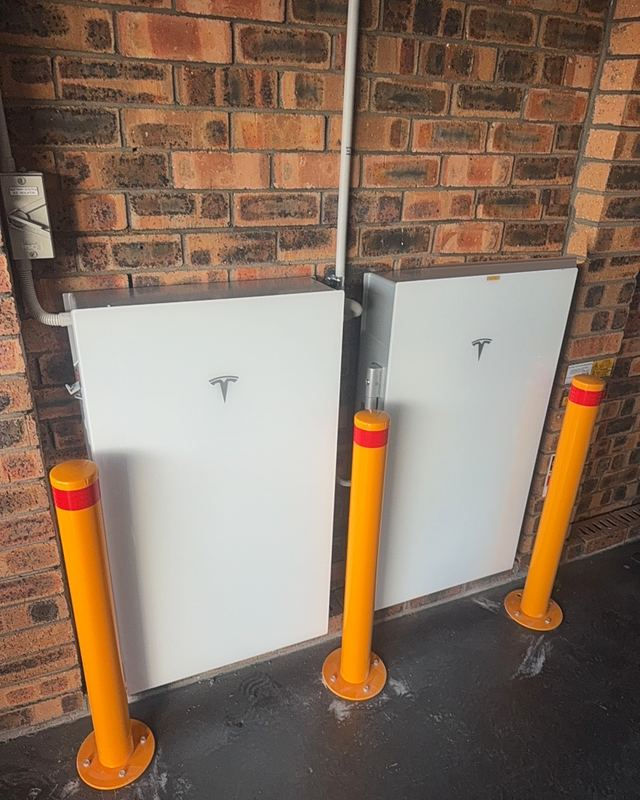
Adding a battery to your existing solar
Already have panels on the roof? Here's what needs checking before a battery can be added, and the questions to ask your installer.
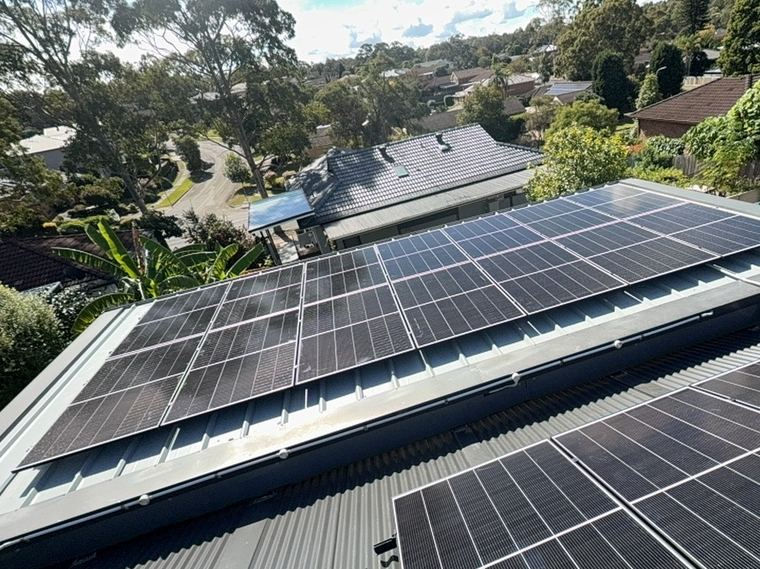
If you've had solar for a few years, adding a battery can be a natural next step. Most existing solar systems can have a battery added, but how it's done depends on what's already on your roof and in your switchboard. Here's what we look at, in plain English.
Start with your inverter
Your inverter is the box that converts the power from your panels into power your home can use. It's the first thing we check, because it decides which battery options make sense.
There are two common ways to add a battery to an existing system.
AC-coupled. The battery comes with its own inverter (or has one built in) and connects to your home's AC wiring alongside your existing solar inverter. Your current solar setup largely stays as it is. This is often the simplest option when your solar inverter is working well and you don't want to change it.
DC-coupled with a hybrid inverter. A hybrid inverter manages both the solar panels and the battery in one unit. If your existing inverter is getting older or needs replacing anyway, swapping to a hybrid inverter and adding a battery at the same time can make sense.
Neither approach is "best" for everyone. The right one depends on the age and condition of your inverter, the battery you choose, and whether you want backup power.
How old is your solar system?
Older systems can still work well with a battery, but there are a few things to consider. If your inverter is near the end of its life, replacing it as part of the battery job can avoid paying for two visits. If your panel system is small, there may not be much spare solar during the day to charge a battery, especially in winter. In that case, adding more panels can be part of the conversation.
Switchboard and wiring
A battery adds new circuits and protection devices to your switchboard. Older switchboards may not have the space, may still use ceramic fuses, or may be mounted on old backing boards that need careful handling. We'll check this on site and tell you upfront if any switchboard work is needed. Our article on meter board upgrades explains what that can involve.
Single phase or three phase?
Most homes have single-phase power, but some, particularly larger or rural properties, have three-phase. This affects which inverters and batteries are suitable, and how backup power can be arranged. It's something we confirm during the site check.
Want advice for your home?
Our own electricians will look at your setup and give you a straight answer. No pressure, no subcontractors.
Backup power: decide early
If you want your battery to keep things running during a blackout, that needs to be designed in from the start. Depending on the system, backup can cover the whole home or just essential circuits. Not every battery and inverter combination supports backup in the same way, so it's an important question to raise before choosing equipment.
Network approval
Changes to a grid-connected solar system generally need approval from your local electricity network before installation. Your installer should handle this application for you and let you know if there are any limits on how much you can export.
Incentives and eligibility
The Australian Government's Cheaper Home Batteries Program provides battery STCs on eligible batteries connected to new or existing solar. Battery STCs are worth about $37 each and apply to usable capacity from 5 to 50 kWh, so for batteries installed in 2026 that's roughly $1,250 to $6,400 off, depending on system size. Eligibility depends on things like the battery being on the Clean Energy Council's approved list and being installed by an SAA-accredited installer. The STC amount steps down over time by installation date, with the next step-down scheduled for 1 January 2027.
If you're adding panels at the same time, the federal small-scale solar incentive also steps down each year, again based on installation date, with the next change on 1 January 2027. We apply eligible discounts directly to your quote. Eligible households may also be able to use the NSW Government's interest-free Home Energy Saver loan (up to $15,000, repaid over up to 10 years, when available), and a Home Energy Saver discount for eligible lower-income households is coming soon. We'll check your eligibility as part of your quote.
What to have ready for a quote
- A recent electricity bill or two
- A photo of your inverter label and your switchboard, if you can safely take one
- Roughly when your solar was installed
- Whether blackout backup matters to you
How we can help
Our own SAA-accredited electricians check your inverter, switchboard and usage before recommending a battery, and we handle the installation from start to finish with no subcontractors. Read more about our battery storage installations or our solar power systems if you're thinking about adding panels too.
Frequently asked questions
Can I add a battery to any solar system?
In most cases, yes. The approach depends on your inverter, your switchboard and the battery you choose. We'll confirm what's suitable during a site check.
Do I need to replace my inverter?
Not always. An AC-coupled battery can work alongside your existing inverter. If your inverter is older or due for replacement, a hybrid inverter may be a better long-term option.
Will adding a battery affect my solar export?
Your battery will usually charge from spare solar before any is exported, so you may export less. Network approval may also set export limits for your system.
Is my existing solar eligible for battery incentives?
Yes, the Cheaper Home Batteries Program supports batteries connected to new or existing solar, subject to eligibility rules. The discount steps down by installation date, so timing can matter. We'll check this for you when we quote.
Sources
- Batteries, Solar Consumer Guide (energy.gov.au)
- Solar batteries eligibility (Clean Energy Regulator)
- Eligibility information for the Cheaper Home Batteries Program (DCCEEW)
- Calculate small-scale technology certificate entitlements (Clean Energy Regulator)
- Home Energy Saver (NSW Climate and Energy Action)
Government programs and incentives change. Always check the official pages for the latest details.